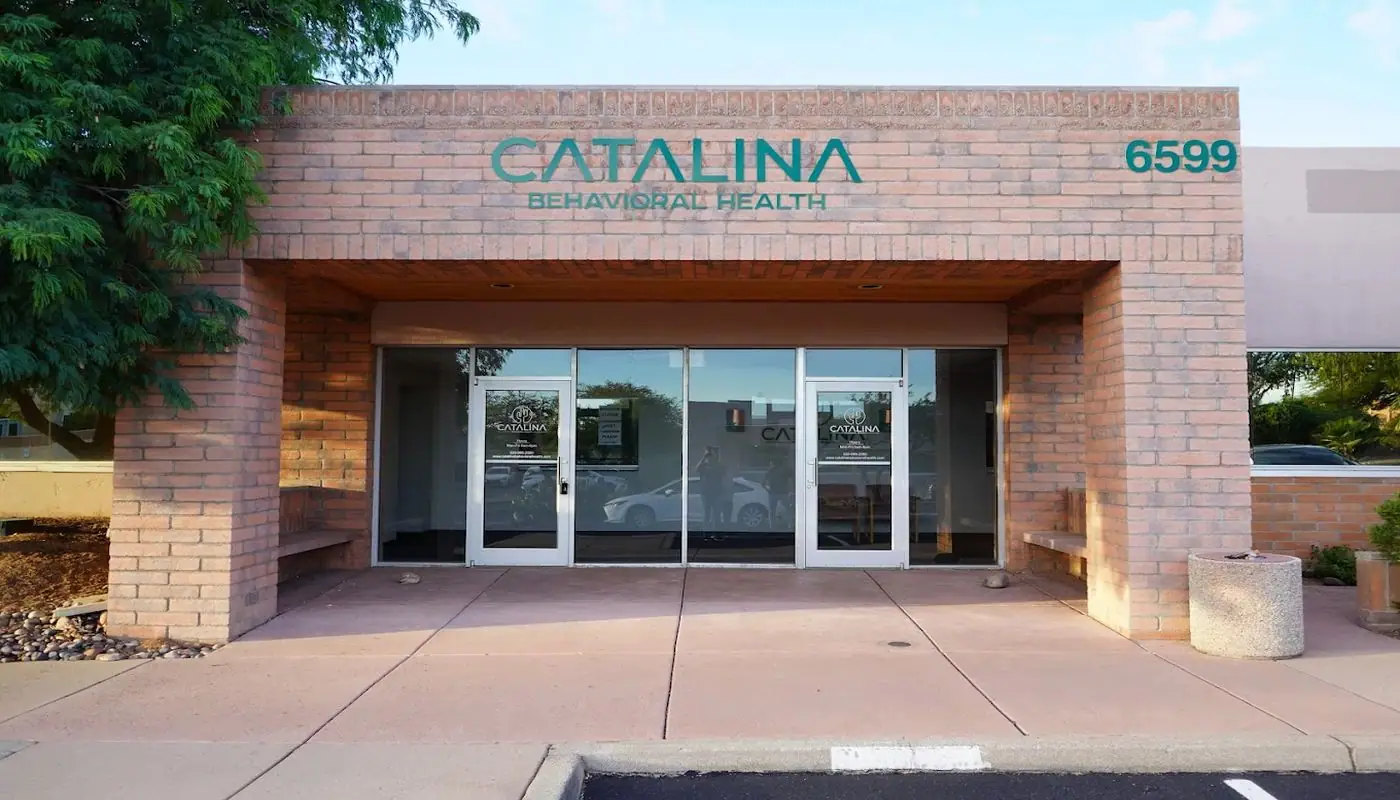
Catalina Behavioral Health Tucson
Catalina Behavioral Health Tucson is a Joint Commission-accredited rehab in Tucson, Arizona. The center is one of 433 SAMHSA-listed facilities in the state and offers residential and outpatient care. Typical stays run 30 or more days.
- Joint Commission
- Outpatient
- Residential Rehab
- 30+ days

Catalina Behavioral Health operates a licensed rehabilitation center at 6599 N Oracle Rd in Tucson, Arizona, where substance use disorders, mental health conditions and dual diagnosis are handled within a single program. Care combines evidence-based methods with holistic ones, and every plan is shaped by the person's own history and needs. The staff work from a trauma-informed perspective, looking for what sits underneath drinking, drug use and mental health symptoms rather than attending only to what is visible. This accredited Arizona rehab treats mental health and substance use together for people whose symptoms overlap. People come here from Tucson, from elsewhere in Arizona and from outside the state. The Joint Commission accredits the center, so families who want a recognized quality review can verify that status before admission. Because part of the stay is residential, daily life includes structure, meals and group sessions. The program fits adults who need more than a weekly appointment, including working professionals and executives who want care arranged around a job.
Listed services include residential rehab and outpatient care, with typical programs running 30 or more days, and therapy options span individual counseling, family therapy dialectical behavior therapy group counseling cognitive behavioral therapy, motivational interviewing, art therapy, sound therapy and trauma-specific work. The center calls its approach evidence-based, holistic and personalized. Treated conditions include depression, anxiety, bipolar disorder, OCD, PTSD, trauma, anger and eating disorders, while substances addressed include alcohol, benzodiazepines, cocaine, heroin, ketamine, marijuana, methamphetamine, prescription drugs and opioids. Outpatient programs in Tucson let someone step down while keeping a home base after residential care ends. Arizona rehabs that accept Medicaid give families a lower-cost path to check when private insurance is not an option.
Catalina Behavioral Health Tucson
This location offers residential rehab as well as outpatient care, and stays commonly run 30 days or longer. Therapy formats include individual counseling, cognitive behavioral therapy, group therapy, dialectical behavior therapy, family counseling, motivational interviewing, art therapy, sound therapy, and work focused on trauma. At this Tucson center, residential rehab in Arizona serves adults needing daily structure through the opening weeks of care. The program describes itself as evidence-based, holistic, and personalized. Substance use is addressed alongside conditions including anxiety, depression, bipolar disorder, OCD, PTSD, trauma, anger, and eating disorders. An accredited Arizona rehab treating mental health and substance use together fits people whose symptoms overlap rather than falling into one category. Before starting care at any level, anyone who drinks heavily or uses benzodiazepines should have a clinician assess withdrawal risk.
Among the therapies listed are cognitive behavioral therapy and dialectical behavior therapy, along with family therapy, group therapy, motivational interviewing, art therapy, sound therapy and trauma-specific work. When someone needs a step-down following residential care, outpatient services at this Tucson location can offer ongoing structure as they go back home.
- Cognitive Behavioral Therapy
- Trauma-Specific Therapy
- Group Therapy
- Dialectical Behavior Therapy
- Holistic
- 1-on-1 Counseling
- Art Therapy
- Personalized Treatment
- Evidence-Based
- Sound Therapy
Who the program is built for in Tucson
- Men and women in residential or outpatient care, including professionals and executives
- Someone with a dual diagnosis, which means a mental health condition occurring alongside a substance use disorder
- Adults with alcohol, drug or prescription medication concerns, including benzodiazepines, cocaine, heroin, ketamine, marijuana, methamphetamine and opioids
- People living with depression, anxiety, bipolar disorder, OCD, PTSD, trauma, anger or an eating disorder
- Families looking for a licensed Arizona rehab center where a clinician assesses withdrawal risk before treatment begins
Catalina Behavioral Health Tucson
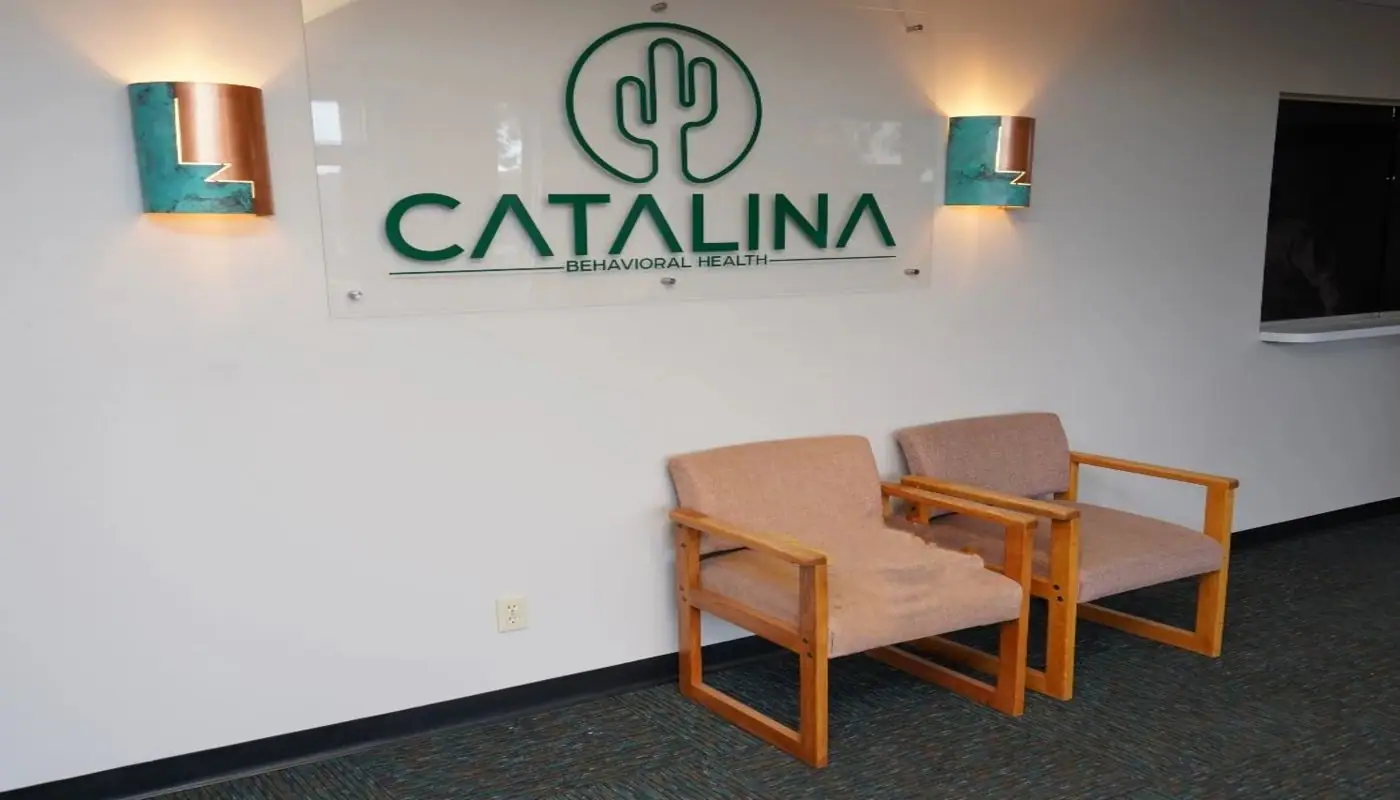
Typical stays run 30 or more days, and care is delivered in English. The Tucson location on North Oracle Road sits north of downtown and is easy to reach from across the metro area. Rooms are private or shared with a shared bathroom, and the building is air-conditioned. Amenities include chef-prepared meals, a fitness center, a lounge and a recreation room, and activities range from yoga and physical fitness to games and alternative meetings. If a family needs a program that offers private rooms, then it is worth asking how room assignment is decided before admission.
- Chef-prepared Meals
- Air-Conditioned Rooms
- Fitness Center
- Recreation Room
- Lounge
Paying for care at this Tucson center
Self pay pricing is published by the center, and its source description notes that it accepts AHCCCS, Arizona's Medicaid program, as well as other insurance. Arizona rehabs that accept Medicaid give families a lower-cost path to check when private insurance is not an option. Because coverage and bed availability shift daily, the practical move is calling the helpline so an advisor can check what your plan covers at this location before you commit to anything. If you are paying cash, ask for the rate at each level of care separately, since residential rehab, outpatient services and any detox portion are often billed in different ways.
Useful questions before admission
- Does the center take my insurance, and is AHCCCS accepted for the level of care I need?
- How is withdrawal managed at the start of a residential stay, and who supervises it?
- What does a typical day look like across the 30 or more days of a stay?
- How does the center decide between residential rehab and outpatient care for someone in my situation?
- What aftercare is arranged at discharge, including continuing care and relapse prevention planning?


Further centers in Tucson
-

Tucson VA Medical Center
3.6/5414 Google reviews
Tucson VA Medical Center Tucson serves veterans through residential and outpatient care.
Tucson, AZ
30 days
- Joint Commission
- Outpatient
- Residential Rehab
-
Recovia Grant Road
4.4/533 Google reviews
Recovia Grant Road Tucson provides outpatient care for substance use and chronic pain.
Tucson, AZ
5 days
- Joint Commission
- Outpatient
- Detox
-
Palo Verde Behavioral Health
3.1/5270 Google reviews
Palo Verde Behavioral Health Tucson is a mental health and detox center on Craycroft Road.
Tucson, AZ
14 days
- Joint Commission
- Detox
-
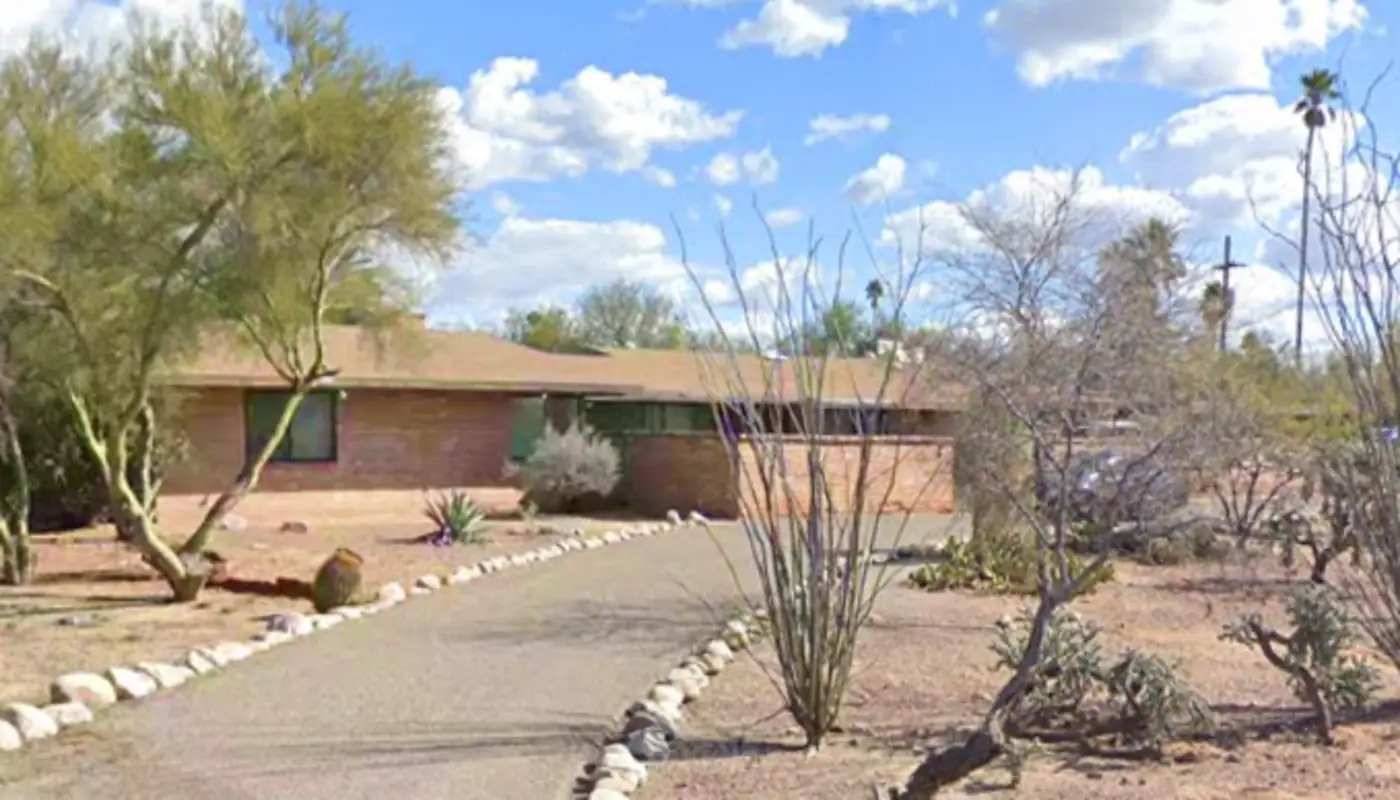
COPE Community Services Gemini
Cope Community Services Gemini Tucson provides residential and outpatient behavioral health care.
Tucson, AZ
30 days
- Outpatient
- Residential Rehab
-
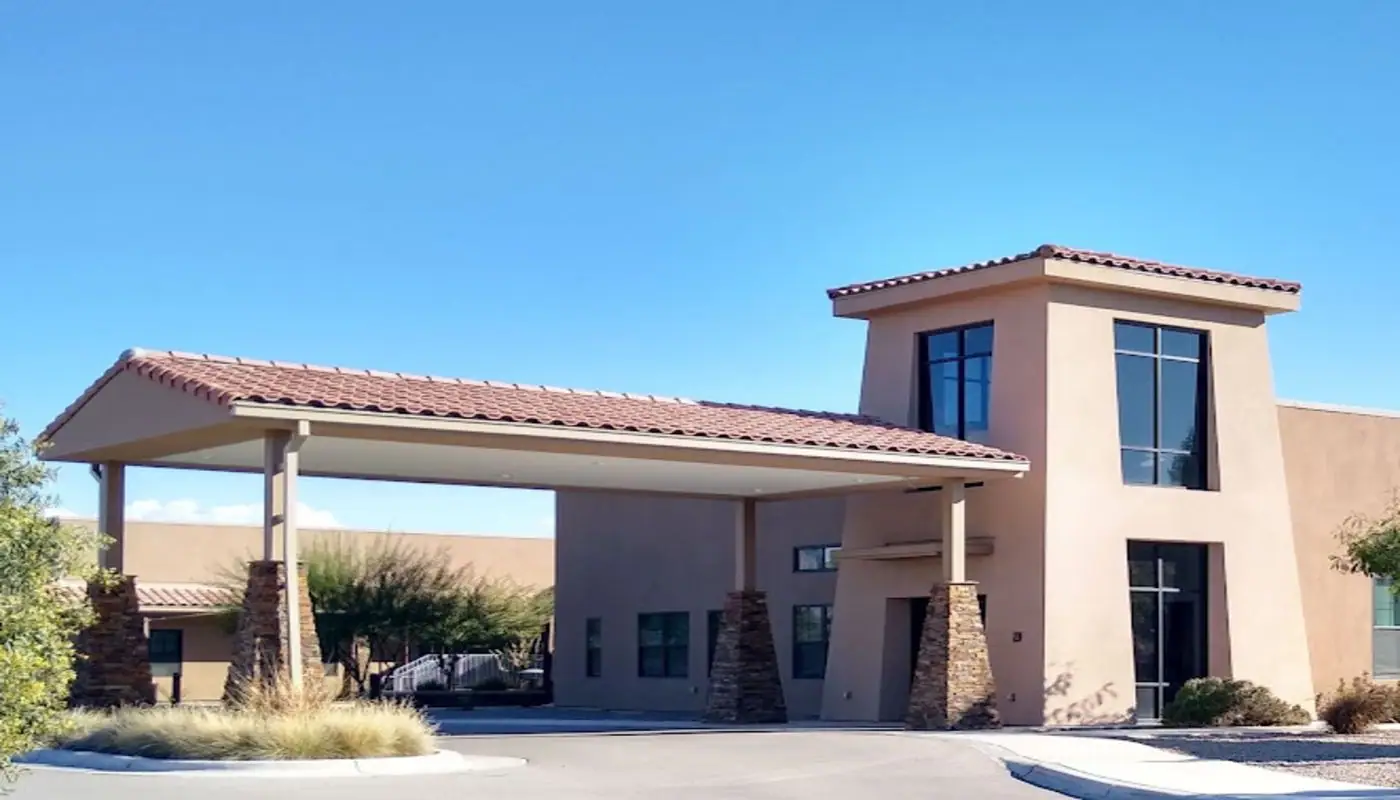
Buena Vista Recovery Tucson
4.0/586 Google reviews
Located on East Pima Road, Buena Vista Recovery Tucson holds Joint Commission accreditation.
Tucson, AZ
30 days
- Joint Commission
- Outpatient
- Detox
- Co-Occurring Mental Health
-

Montare Behavioral Health Tucson
4.5/531 Google reviews
This page explains what Montare Behavioral Health Tucson offers and how to check it.
Tucson, AZ
30+ days16-30 beds
- Joint Commission
- Co-Occurring Mental Health
- Residential Rehab
Good to know
Is Catalina Behavioral Health Tucson accredited?
Yes. Catalina Behavioral Health holds Joint Commission accreditation, a recognized quality review that families can verify directly with the accreditor before admission. Accreditation speaks to how a center is organized and inspected; it does not promise a particular result for any one person. Ask the center what the review covers and how recently it was completed. The helpline can help you confirm details and check current availability at this Tucson location.
Does AHCCCS cover treatment at Catalina Behavioral Health Tucson?
The center's description says it accepts AHCCCS, Arizona's Medicaid program, along with other insurance options. Coverage depends on the level of care, so residential rehab is reviewed differently than outpatient services. The helpline does not decide coverage; an advisor can call with you to confirm benefits and current openings. Nothing is promised until the plan and the center agree, so treat any verbal estimate as a starting point only.
What does Catalina Behavioral Health Tucson treat?
Substance use disorders and mental health conditions, dual diagnosis included, are treated here in both men and women. Substances addressed include alcohol, benzodiazepines, cocaine, heroin, ketamine, marijuana, methamphetamine, prescription drugs and opioids, and conditions include depression, anxiety, bipolar disorder, OCD, PTSD, trauma, anger and eating disorders. Care comes in residential rehab and outpatient formats, with typical stays of 30 or more days. Anyone who has been drinking heavily or using benzodiazepines should be assessed by a clinician before treatment starts.
How long do people stay at this Tucson rehab center?
Programs usually run 30 or more days, but the real length depends on the clinical picture and the level of care. A person entering outpatient services might attend for several weeks without living on site, whereas residential care means staying at the Tucson location on North Oracle Road. Ask how length gets reviewed and whether insurance caps the days covered. The helpline can help you raise those questions before any commitment.
What are the usual reasons people enter rehab?
Reasons people seek treatment here include alcohol, benzodiazepines, cocaine, heroin, ketamine, marijuana, methamphetamine, prescription drugs and opioids, often alongside conditions such as depression, anxiety, bipolar disorder, OCD, PTSD or trauma. Dual diagnosis is treated at the center, meaning a behavioral health issue and a drug or alcohol problem simultaneously. When someone has been using heavily, a clinician should assess withdrawal risk before care at any level. The helpline can help you weigh options across Arizona at no charge.