Addiction rehab in Arizona
Rehab for addiction in Arizona comes down to matching one person with the right level of care. SAMHSA listings show 433 facilities across the state as of November 2026. Here you'll find levels of care explained, ways to pay, and what actually happens when you call.
- centers listed here
- 433
- provide detox
- 75
- take Medicaid
- 385
What addiction rehab in Arizona treats
Alcohol and drug rehab in Arizona covers a range of substances, and the mix shapes which programs fit. Opioids and fentanyl are the largest overdose category in the state, and 72 facilities offer detox for opioids; alcohol use disorder treatment with medications is available at 264 facilities, which matters because medication-assisted approaches are well established for alcohol. Dual diagnosis treatment in Arizona matters because mental health and substance use so often arrive together, so ask whether a program screens for both. If someone drinks heavily every day or uses benzodiazepines, then medical supervision during the first days matters more than any other detail.
Methamphetamine involves 49 detox facilities and 47 cover cocaine; benzodiazepines appear at 58. If a program does not list the substance you are concerned about, then ask directly; listings are not always complete, and intake staff can confirm what the program handles.
Addiction rehab in Arizona
Medical detox is where many people start, and 75 facilities in Arizona provide it with medical oversight. Withdrawal from alcohol or benzodiazepines requires medical supervision since it can be dangerous in Arizona, so ask how a program handles it before anything else. Medical detox in Arizona is offered at 75 facilities, 72 of which handle opioids; during withdrawal from alcohol or benzodiazepines, medical supervision outweighs every other detail.
For people who need overnight structure, residential rehab is the next step, available at 81 facilities. A step below that, 96 facilities run partial hospitalization programs and 186 run intensive outpatient programs, while 360 provide general outpatient care. Inpatient and residential rehab in Arizona is listed at 81 facilities, with 96 partial hospitalization and 186 intensive outpatient programs; when weekly counseling hasn't helped, the next conversation usually turns to a higher level of care such as PHP or residential. If cost is a concern, ask about sliding-scale fees and Medicaid acceptance before ruling out residential care.
Paying for addiction rehab in Arizona
Cost is the question most callers ask first, and Arizona has more ways to cover treatment than many people expect. Arizona adopted Medicaid expansion, so the state Medicaid program is an option for adults who qualify, and 385 of the listed facilities report accepting Medicaid. Comparing rehab facilities in Arizona by payment type saves time and avoids dead ends, so bring your plan card or a rough income figure to the call. If you have private insurance, then check whether the program accepts it before scheduling an assessment; 342 facilities accept private insurance, 269 accept Medicare, and 263 accept TRICARE.
Private insurance is accepted at 342 facilities, Medicare at 269, and TRICARE at 263, while 384 work with self-pay. Sliding-scale fees appear at 149 facilities, 246 report using block grant funding, and 65 offer some form of financial assistance. Only 2 list themselves as completely free, so plan on asking each program directly what your share would be. If you are uninsured, then ask about block grant funding and sliding-scale fees; when a program does not offer them, the helpline can point to one that does.
- take Medicaid
- 385
- take private insurance
- 342
- take Medicare
- 269
- offer reduced fees on a sliding scale
- 149
Common rehab facilities in Arizona
-
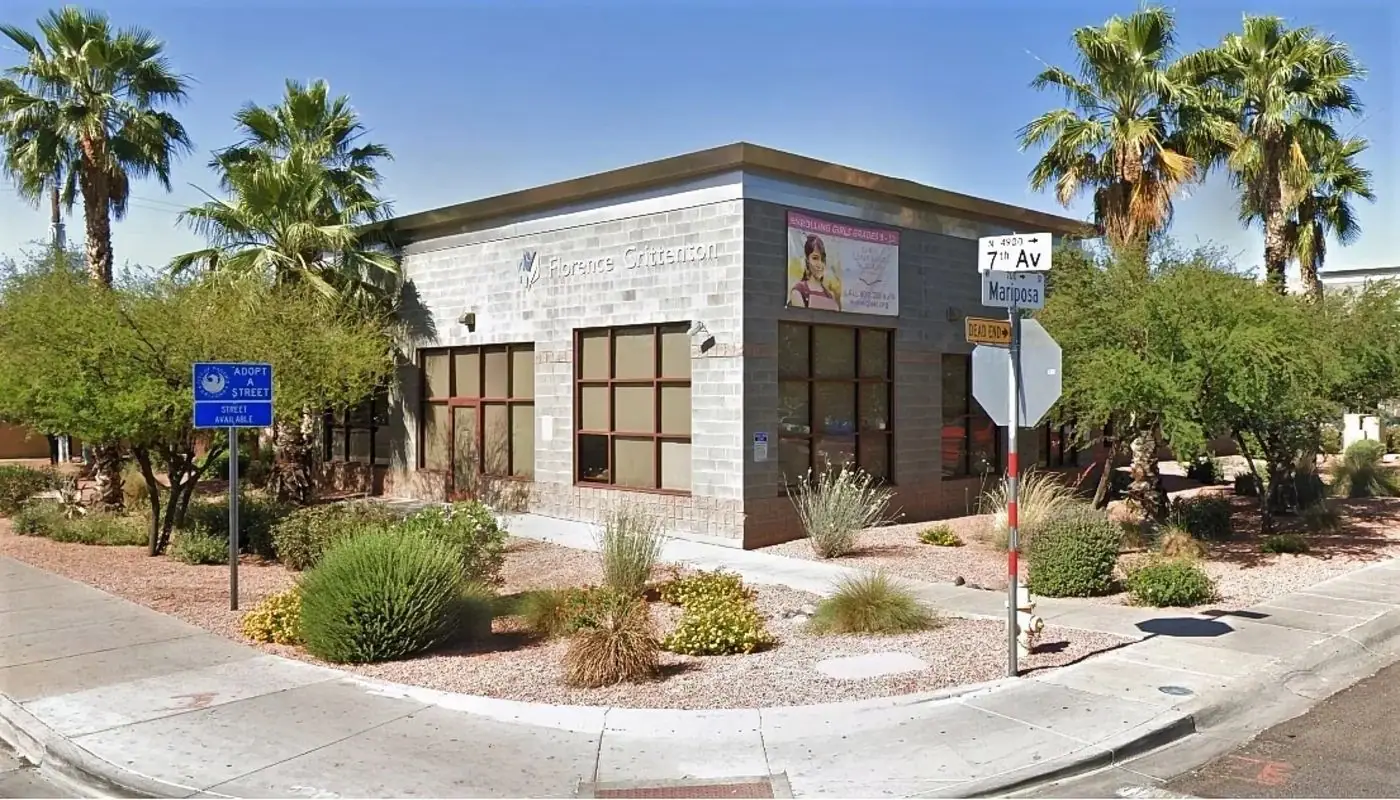
Florence Crittenton Therapeutic Group
Florence Crittenton therapeutic group Phoenix serves girls and young women in a residential setting.
Phoenix, AZ
30 days
- Outpatient
- Residential Rehab
-
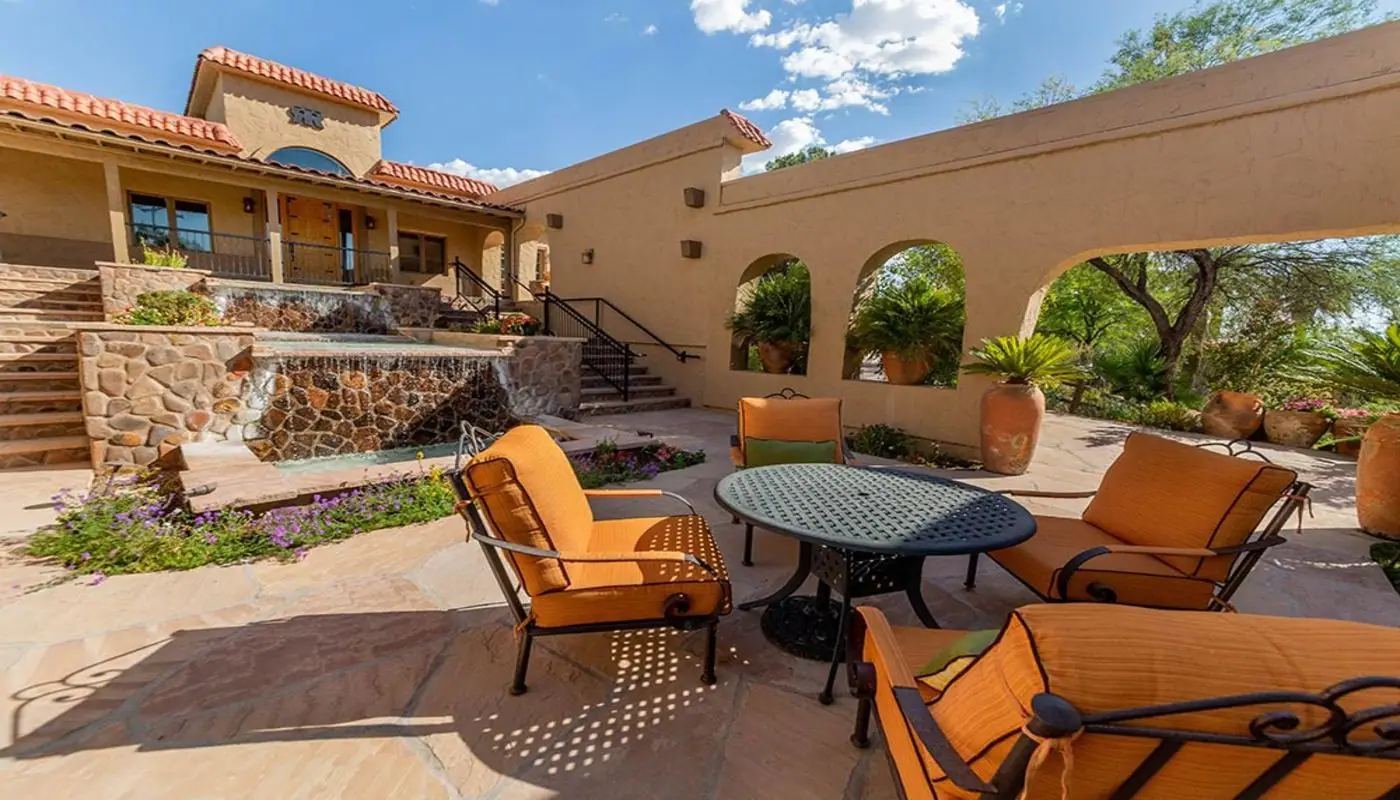
Rio Retreat Center At The Meadows
4.1/518 Google reviews
Rio Retreat Center At The Meadows Wickenburg runs week-long workshops on trauma and relationships.
Wickenburg, AZ
30+ days
- Joint Commission
- Co-Occurring Mental Health
- Residential Rehab
-
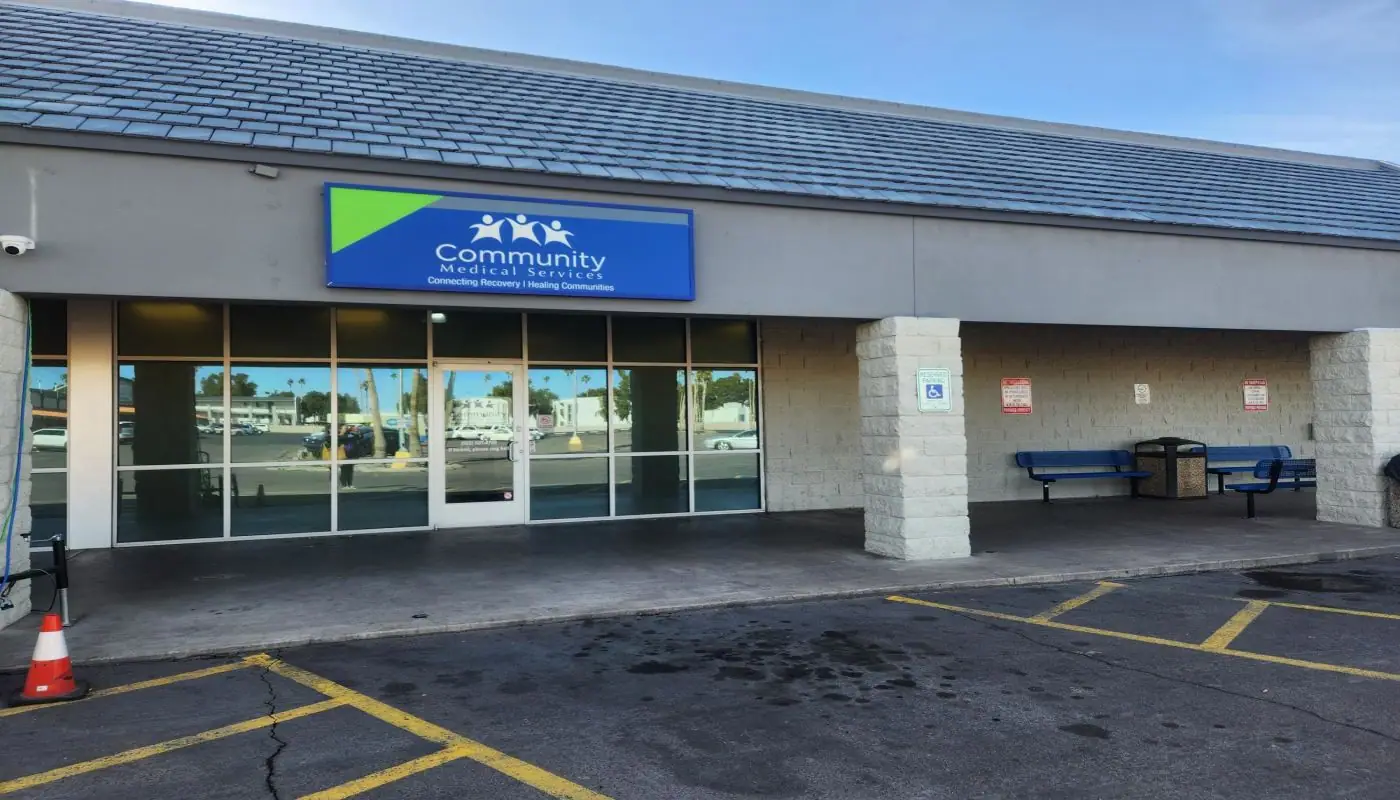
Community Medical Services Cactus Road
4.2/5208 Google reviews
Community Medical Services Cactus Road Phoenix is an outpatient clinic for opioid use disorder.
Phoenix, AZ
7+ days
- Outpatient
-
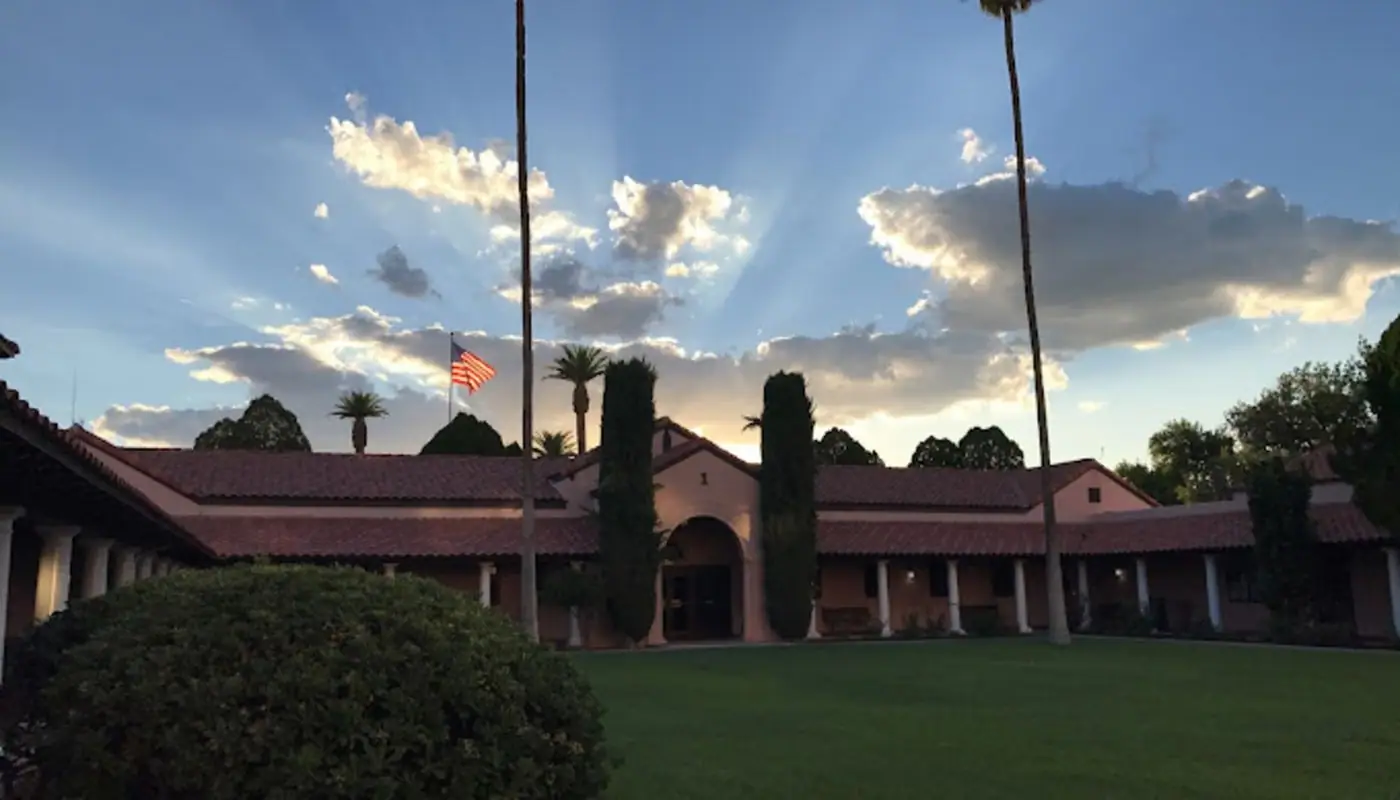
Tucson VA Medical Center
3.6/5414 Google reviews
Tucson VA Medical Center Tucson serves veterans through residential and outpatient care.
Tucson, AZ
30 days
- Joint Commission
- Outpatient
- Residential Rehab
-
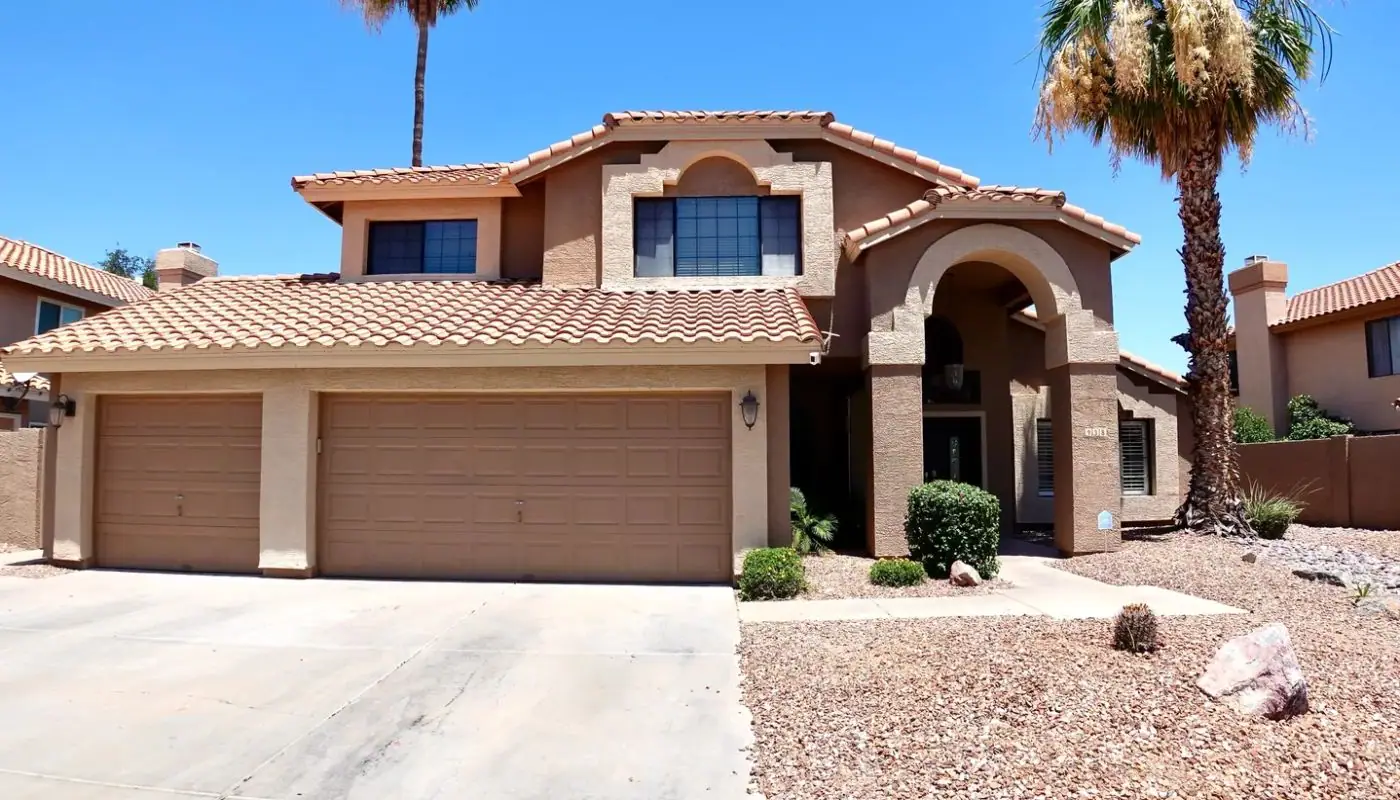
Island House
Island House Gilbert is a sober living home for men located in Gilbert, Arizona.
Gilbert, AZ
30+ days
- Sober Living
-
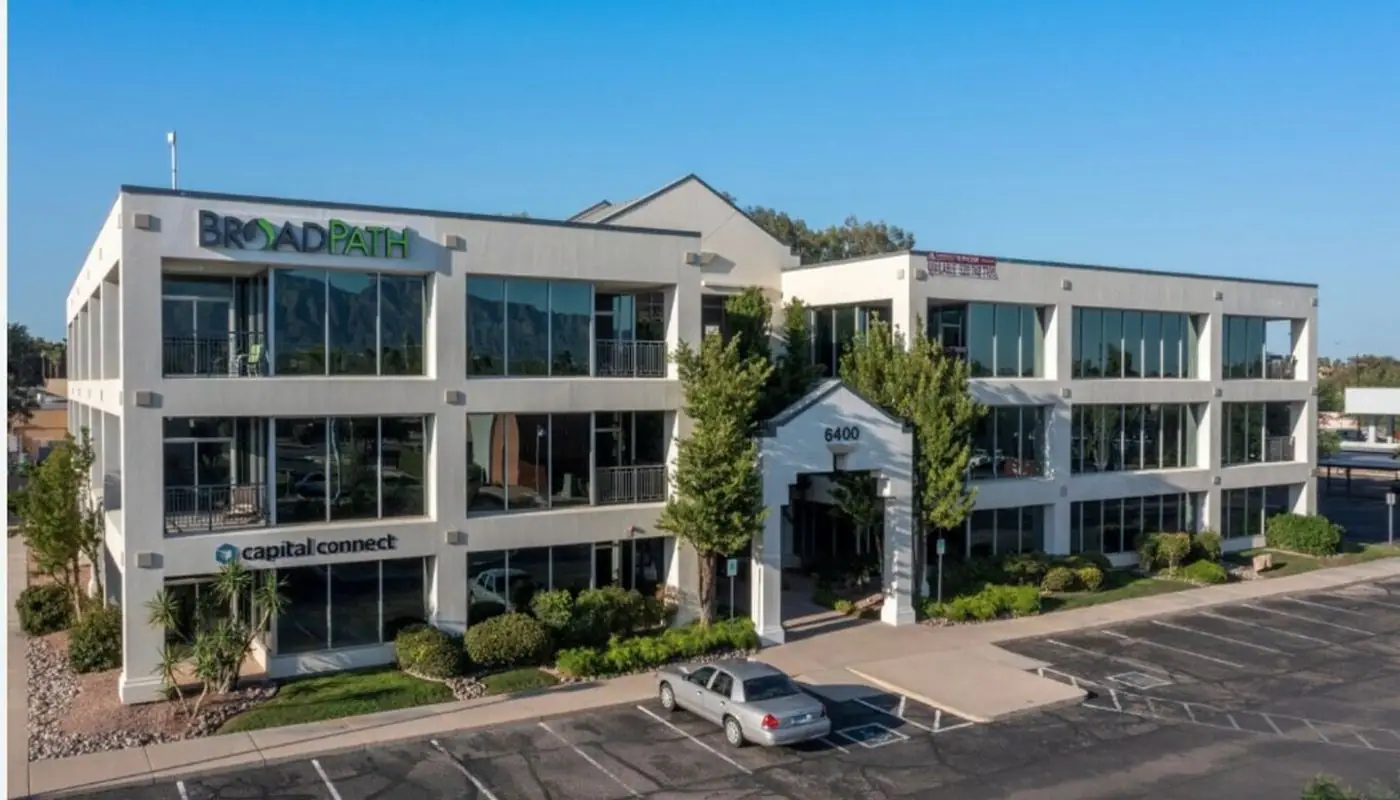
Recovia Grant Road
4.4/533 Google reviews
Recovia Grant Road Tucson provides outpatient care for substance use and chronic pain.
Tucson, AZ
5 days
- Joint Commission
- Outpatient
- Detox
-
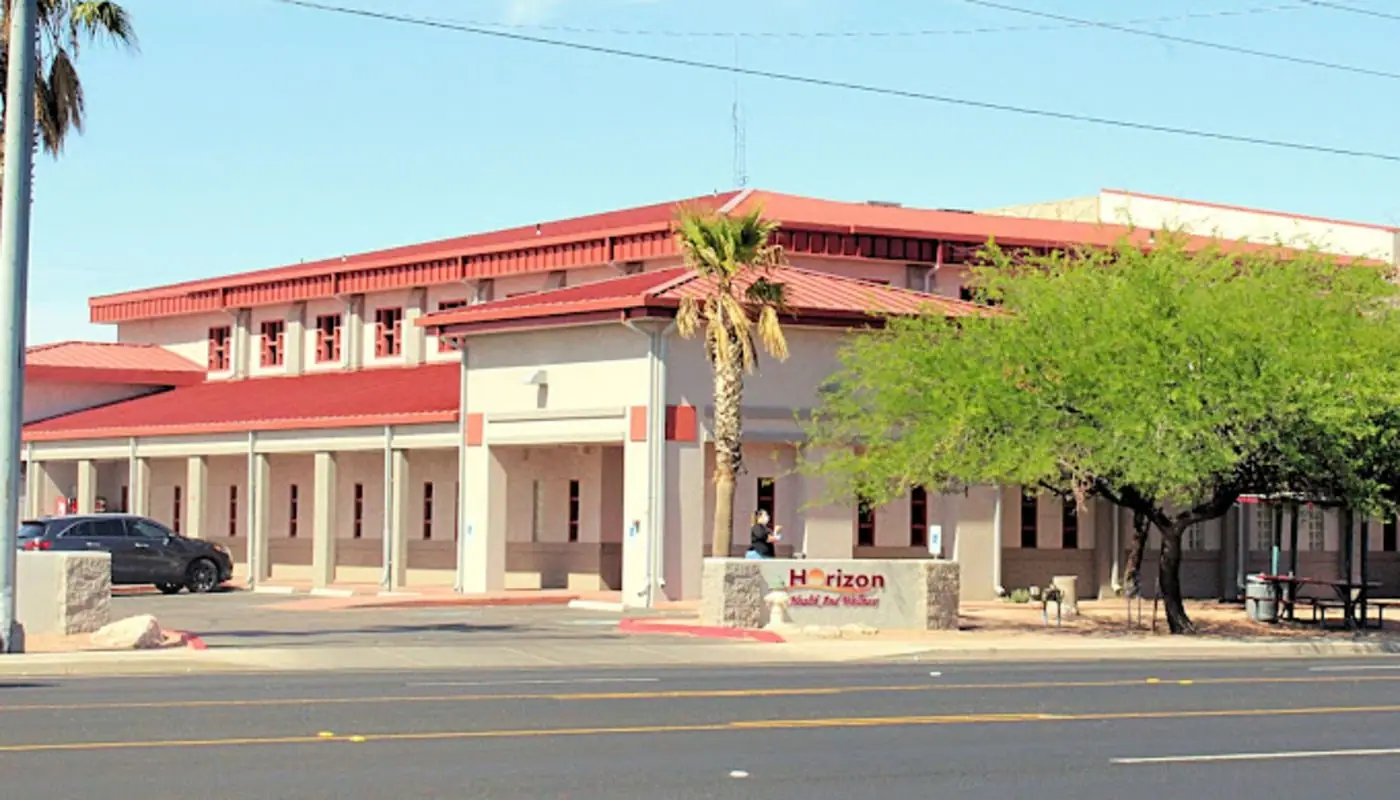
Horizon Health and Wellness Adult
3.4/576 Google reviews
Horizon Health and Wellness Adult Casa Grande provides outpatient care for adults.
Casa Grande, AZ
5 days
- Joint Commission
- Outpatient
-
Nova House
4.9/5195 Google reviews
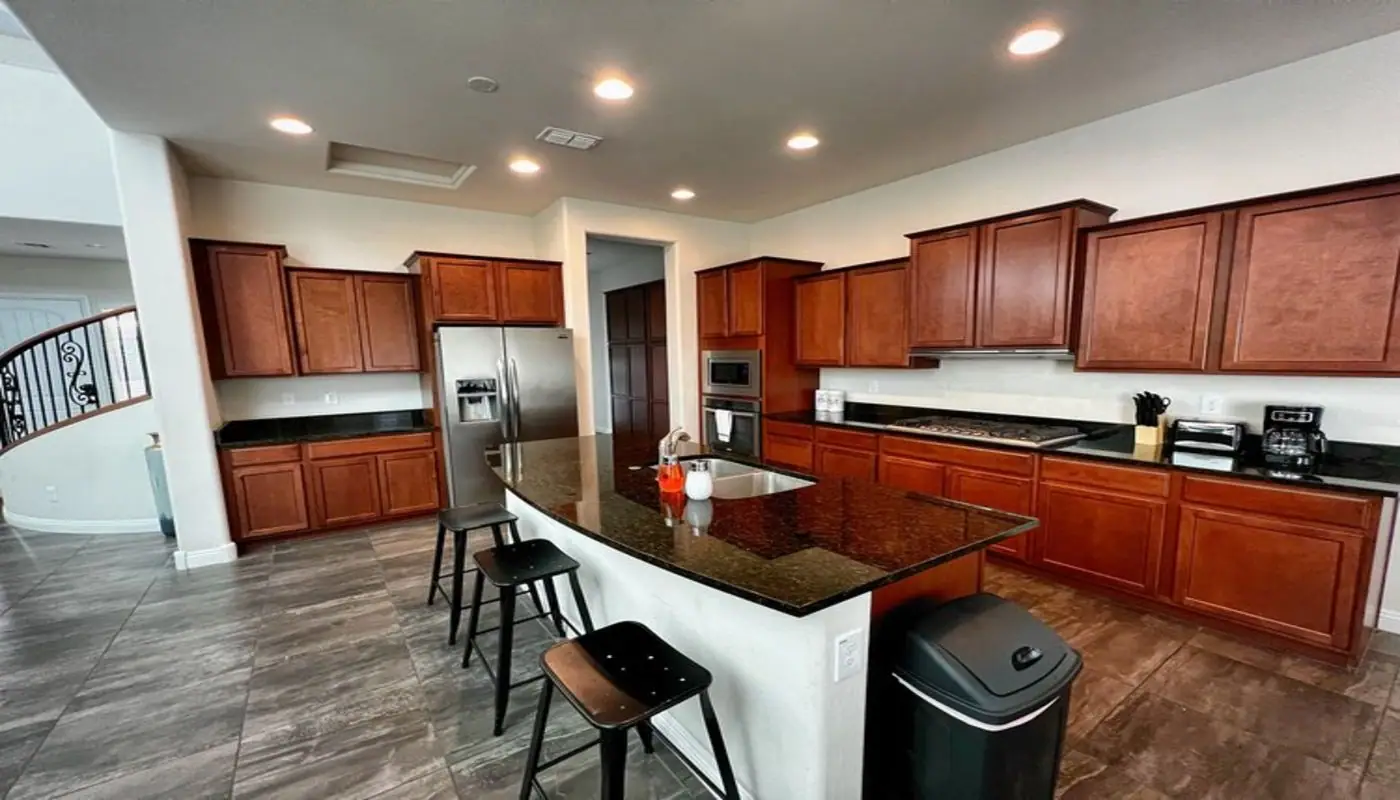
In Chandler, Arizona, Nova House Chandler provides sober living for men.
Chandler, AZ
30 days
- Sober Living
-
Milestone Recovery Arizona
Milestone Recovery Arizona Phoenix treats substance use and co-occurring conditions.
Phoenix, AZ
30 Days16-30 beds
- Joint Commission
- Outpatient
- Co-Occurring Mental Health
Arizona overdose data and what it means
In the 12 months ending May 2026, Arizona recorded 2,807 overdose deaths, per provisional CDC data. That is a 2 percent drop from the previous period, yet the number remains high. Opioids are involved in 2,072 of those deaths and fentanyl in 1,862, so fentanyl stays the dominant driver. Arizona rehab listings span the whole state, but the overdose burden is not spread evenly, which is why local programs and wait times vary. If you live in a rural county, ask about telehealth; 368 facilities offer it, which can help while you wait for an in-person appointment.
Methamphetamine is linked to 1,619 deaths, a 12 percent drop, while cocaine deaths rose 38 percent to 433. Heroin deaths fell to 36. If a family member uses stimulants alongside opioids, then tell the intake staff, because that combination changes what a program plans for.
| Drug | Past year | Prior year | Difference |
|---|---|---|---|
| Total overdose deaths from any drug | 2,807 | 2,866 | -2% |
| Any opioid | 2,072 | 2,083 | -1% |
| Fentanyl plus lab-made opioids | 1,862 | 1,871 | 0% |
| Heroin | 36 | 48 | -25% |
| Opioid painkillers on prescription | 223 | 221 | +1% |
| Methamphetamine | 1,619 | 1,837 | -12% |
| Cocaine | 433 | 314 | +38% |
CDC early figures, 12 months ending May 2026. Numbers for recent months can grow as data arrives.

What a call to the helpline involves
A treatment advisor answers the helpline at no charge, not a call-center script, and the conversation usually runs about ten minutes. The call costs nothing and stays confidential to enter treatment, and advisors work with licensed providers rather than giving care themselves. If you don't know whether someone needs detox or outpatient care, just say so; the advisor will ask about substances used, when they last used, insurance, and location. In an emergency, call 988 or 911 instead.
No one will promise you a bed, coverage, or a result. The advisor can check which facilities suit your situation, explain what each level of care entails, and tell you what to expect at intake. If you have insurance, have your card ready; the advisor can confirm which of the 342 facilities accepting private insurance are a good fit. If you're paying out of pocket, ask about the 149 facilities with sliding-scale fees.
Rehab centers in Arizona by city
Facility counts follow population, and 92 rehab centers in Phoenix plus 69 in Tucson account for a large share of the state's listings. There are about 433 rehab programs in Arizona, spread across cities and rural counties, with Mesa at 31, Scottsdale at 22, and Prescott, Tempe, Casa Grande, and Yuma at 15 each. If traveling for residential care is possible, then a smaller city can mean a shorter wait for a bed; if it is not, outpatient services usually exist closer to home.