Partial hospitalization program Arizona
A partial hospitalization program in Arizona gives you structured treatment most days without an overnight stay. Statewide, 96 facilities are listed as offering this level of care. Below is a step-by-step walk through how it works, who qualifies, and what it costs.
- programs in Arizona
- 96
- take Medicaid
- 76
- take private insurance
- 87
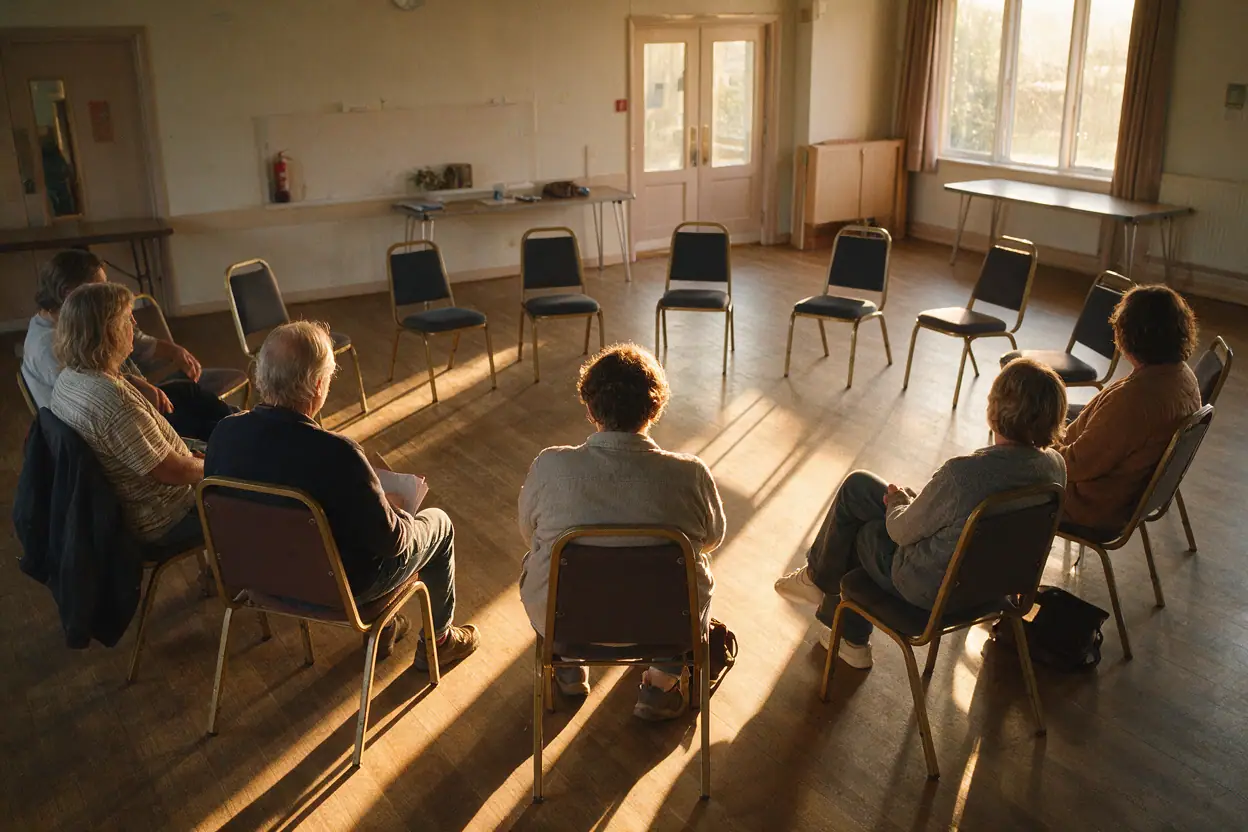
A partial hospitalization program sits between inpatient care and standard outpatient therapy. You go to treatment on a fixed schedule, often five days a week for several hours, then head home or to a sober living house at night. That is why PHP fits when someone needs more structure than weekly counseling provides but does not require 24-hour supervision. Per SAMHSA FindTreatment.gov, 96 facilities in Arizona are listed as offering PHP. Many programs combine group therapy, individual counseling, medication management, and family sessions. A usual day starts with a check-in, moves through one or two group sessions, and includes time with a clinician. Since you go home each evening, those around you notice changes week to week.
A day in PHP is structured but not locked down. Expect to arrive in the morning, attend process and skills groups, and meet with a prescriber or therapist as scheduled. Some centers run evening tracks so people can keep a job or care for family. The listed centers offering telehealth PHP can keep the same schedule when travel is hard. That matters in a state where a drive to the nearest program can run long. Program length varies by clinical need and by the program, so ask during the intake call rather than assuming a set number of weeks. Insurance often reviews the level of care periodically, and a program will tell you what documentation it needs to keep PHP authorized.

Paying for PHP in Arizona
Most people have care covered by insurance or Medicaid, though the details vary from center to center. Of the 96 PHP facilities listed, 87 take private insurance and 76 take Medicaid, so ask each program directly about network status and prior authorization. Federal parity law generally says mental health and substance use benefits cannot be handled less favorably than medical benefits, so review your plan documents when a denial looks inconsistent. Sliding fee scales are offered at 24 listed centers, and Medicare is accepted at 44. Without insurance, an advisor can explain Medicaid eligibility and lower-cost options, and the helpline call is free and private, with nothing that requires you to enroll.
What to expect when you start PHP
Initial assessment
A clinician asks about substance use, health history, medications, and safety. This is a clinical interview, not a diagnosis you complete on your own. Expect it to take an hour or more.
Level-of-care recommendation
The assessor recommends a level of care, which may be PHP, IOP, or inpatient. If withdrawal risk is a concern, medical supervision comes first, especially with alcohol or benzodiazepines.
Insurance and scheduling
Staff verify benefits and walk through costs before the schedule starts. Ask what authorization the program needs and whether you will owe a copay each visit.
First week in program
You meet your counselor, join groups, and set initial goals. Many people attend daily at first. Ask how attendance is reviewed and what changes would shift you to a lower level of care.


Arizona facilities that offer PHP
Of 433 Arizona facilities in the SAMHSA FindTreatment.gov listings, 96 are listed as offering partial hospitalization. Coverage varies by center: 76 accept Medicaid, 87 accept private insurance, 44 accept Medicare, and 24 offer a sliding fee scale. Arizona has adopted Medicaid expansion, so many adults with lower incomes may qualify for coverage that includes behavioral health services. Confirm eligibility with the state Medicaid program before you count on it. The Arizona rehab centers listed with Spanish-language PHP serve 28 programs, so ask about language fit early.
Geography shapes the choice more than the count suggests. Most PHP options cluster around Phoenix and Tucson, with fewer listings in rural counties. If you live outside those areas, ask whether a program offers telehealth or a nearby IOP track as a bridge. The 79 listed facilities offering telehealth PHP can shorten a long drive to weekly groups. Call ahead about parking, scheduling, and what the first visit requires, and write down your questions so the intake conversation stays practical.
- take Medicaid
- 76
- take private insurance
- 87
- take Medicare
- 44
- offer reduced fees on a sliding scale
- 24
| Center | Location | Services | Takes |
|---|---|---|---|
| El Dorado Springs | Tucson | Detox, PHP, IOP | Medicaid, Medicare, Insurance |
| Buena Vista Health and Recovery LLC | Tucson | Detox, Residential, PHP, IOP, Outpatient | Medicaid, Insurance |
| Sobermans Estate | Cave Creek | Residential, PHP, Outpatient | Insurance |
| Recovery Syndicate | Chandler | PHP, IOP, Outpatient | Medicaid, Insurance |
| River Source Treatment Center | Gilbert | PHP, IOP, Outpatient | Medicaid, Insurance |
| Renaissance Recovery Center | Gilbert | PHP, IOP, Outpatient | Medicaid, Insurance |
| Calvary Healing Center | Glendale | PHP, IOP, Outpatient | Medicaid, Insurance |
| Compass Recovery Center | Prescott | PHP, IOP, Outpatient | Medicaid, Insurance, Sliding fee |
| Victorian Integrated Healthcare | Tempe | PHP, IOP, Outpatient | Medicaid, Insurance, Sliding fee |
| Holdfast Recovery | Prescott | PHP, IOP, Outpatient | Insurance, Sliding fee |
Based on SAMHSA FindTreatment.gov listings. Services and payment options change; verify by phone.
Who a partial hospitalization program
- People stepping down from inpatient or medical detox who still need daily structure but are medically stable. PHP keeps clinical contact most days while someone rebuilds routines at home or in sober living.
- This level suits people whose symptoms are too complex for weekly outpatient care. Among the PHP facilities listed, 87 provide dual diagnosis treatment, so mental health and substance use are treated as one instead of in separate tracks.
- People who need medication support alongside therapy. PHP schedules can include regular prescriber visits, which helps when a medication plan is still being adjusted.
- People who cannot pause work or caregiving entirely. Evening and telehealth options at many centers let someone keep daily responsibilities while staying in treatment.
Good to know
How many partial hospitalization programs are there in Arizona?
Of 433 Arizona facilities in the SAMHSA FindTreatment.gov listings, 96 offer a partial hospitalization program. That count covers centers that report this level of care, not every program's current openings. Availability changes, so call the programs you are considering and ask about schedule openings, insurance, and intake steps before you plan around a listing.
Does AHCCCS cover PHP for substance use treatment in Arizona?
Medicaid in Arizona, known as AHCCCS, is accepted at 76 of the 96 listed PHP facilities. Arizona has adopted Medicaid expansion, so many adults may qualify, but eligibility depends on income and household details. Calling the helpline can clarify which Arizona treatment centers accept Medicaid for PHP. Confirm coverage with the state Medicaid program and with the specific center, since network participation varies and some programs require prior authorization.
What is the typical duration of a partial hospitalization program?
Length of stay depends on clinical need and how often a program reviews progress, so there is no single statewide number. Many people attend several days weekly for several hours daily, then step down to intensive outpatient as symptoms settle. Arizona programs offering PHP review progress often enough to adjust the schedule. Ask each center how it decides when someone steps down to a lower level of care, and what your insurance requires for continued attendance.
Can I keep working while attending PHP?
Sometimes, depending on the program's schedule. Some Arizona centers run evening tracks, and 79 of the listed PHP facilities offer telehealth, which can reduce travel time. A full-day track is harder to combine with a standard work schedule. The Arizona outpatient rehabilitation centers listed with telehealth PHP make evening groups reachable. Talk with the program about hours before you start, and check whether your employer offers leave that could cover a short period of more intensive treatment.
Is PHP enough if I am at risk of withdrawal?
Usually not. Quitting alcohol or benzodiazepines can be dangerous and may require a doctor's oversight, so a clinician should assess you before PHP begins. If withdrawal is a concern, a program may recommend medical detox first and PHP afterward. Detox residential centers listed in Arizona can be paired with PHP once someone is medically stable. PHP alone provides no overnight monitoring, which is why an assessment comes before any schedule is set.
Do PHP centers in Arizona treat mental health conditions too?
Plenty of them do. Among the 96 PHP facilities listed, 87 provide dual diagnosis care, meaning mental health and substance use get attention in the same place. If psychiatric medication is part of your life, find out how prescriber visits are handled and whether the same clinician remains with you as you step down to a lighter level of care.