Drug rehab Tucson, a clear look
Finding drug rehab in Tucson begins with what is listed nearby. Sixty-nine programs appear in the city's SAMHSA listings across several levels of care. This guide explains each one in plain order before you call.
- centers listed here
- 69
- take Medicaid
- 64
Sixty-nine facilities are listed in Tucson across detox, residential, outpatient, and medication-assisted treatment. That count comes from SAMHSA FindTreatment.gov, the federal directory that programs update. Within that total, 12 provide detox and 13 offer residential care. Most of the remainder are outpatient programs, including 10 partial hospitalization and 30 intensive outpatient options. For anyone comparing drug rehab in Tucson, that mix matters more than a single headline number.
The listings also show how people pay. Sixty-four of the Tucson programs accept Medicaid, 49 accept Medicare, and 55 work with private insurance. Twenty offer a sliding scale for people without coverage. If you are sorting out costs, these numbers give you a realistic starting map. They are listings, not promises, and each program confirms its own bed availability and intake rules.
Location is usually the next question. Tucson is a large city, and the distance from your part of town to a given program can shape whether you choose residential or outpatient care. Many people start with an assessment near home, then step down to a program closer to work or family. With 60 outpatient programs, 12 opioid treatment programs, and 54 offering buprenorphine, there are local options at several levels of care.
At times the best match sits outside the city. In Phoenix, 92 facilities are listed, and nearby smaller cities such as Mesa and Casa Grande run programs of their own. Looking wider across Arizona can open up more choices with little extra driving. Still, knowing what each level of care involves is useful before you start making calls.
Tucson lists 69 programs, including 64 that accept Medicaid and 40 with Spanish-language services. The listings also show 42 programs serving people with a dual diagnosis, 28 with teen services, and 19 that work with veterans. Those details are worth checking early, because they narrow the list quickly. A program that fits your insurance and your language needs is easier to settle into.
Alcohol use and mental health in Tucson
Proportion of adults in Tucson versus Arizona, per CDC PLACES data (2023).
| Measure | Tucson | Arizona |
|---|---|---|
| Binge drinking | 14.6% | 15.5% |
| Frequent mental distress | 18.3% | 15.7% |
| Depression | 24.0% | 19.9% |
| Active tobacco use | 12.5% | 11.7% |
| Lacking coverage (18-64) | 15.7% | 13.7% |
Source CDC PLACES, unadjusted adult prevalence; state value population-weighted across the places listed.

Listed facilities in Tucson
| Center | Location | Services | Takes |
|---|---|---|---|
| Helping Ourselves Pursue Enrichment | Tucson | Outpatient | Medicaid |
| Community Partners Integrated Hlthcare | Tucson | Outpatient | Medicaid |
| Assurance Assertive Comm Treatment | Tucson | Outpatient | Medicaid, Medicare, Insurance |
| Wilmot Family Health | Tucson | Outpatient | Medicaid, Medicare, Insurance, Sliding fee |
| COPE Community Services Inc | Tucson | IOP, Outpatient | Medicaid, Medicare, Insurance |
| Intermountain Health Centers Inc | Tucson | Outpatient | Medicaid, Medicare, Insurance |
| Jewish Family and Childrens Services | Tucson | Outpatient | Medicaid, Medicare, Insurance |
| COPE Community Services Inc | Tucson | IOP, Outpatient | Medicaid, Medicare, Insurance |
| Community Medical Services | Tucson | Outpatient, OTP | Medicaid, Medicare, Insurance, Sliding fee |
| El Dorado Springs | Tucson | Detox, PHP, IOP | Medicaid, Medicare, Insurance |
| COPE Community Services Inc | Tucson | IOP, Outpatient, OTP | Medicaid, Medicare, Insurance |
| Buena Vista Health and Recovery LLC | Tucson | Detox, Residential, PHP, IOP, Outpatient | Medicaid, Insurance |
| Easterseals Blake Foundation | Tucson | IOP, Outpatient | Medicaid, Insurance, Sliding fee |
| ETANO Center | Tucson | Detox, Outpatient, OTP | Medicaid, Medicare |
Based on SAMHSA FindTreatment.gov listings. Services and payment options change; verify by phone.

Paying for drug rehab in Tucson
Cost is the first question for most people, and honestly, it varies with the program and level of care. Tucson listings show 64 facilities that accept Medicaid, 49 that accept Medicare, and 20 offering sliding-scale fees. These numbers do not promise coverage, but they point to where you can start asking. A helpline with no charge can help you weigh options without pressure.
Under Arizona Medicaid, 64 Tucson facilities are listed as accepting it, though every program verifies eligibility for itself. Medicaid is a state-run program, and its coverage rules do change. Ask the program directly what paperwork they require and if your specific plan is taken. With private insurance, call the number listed on your card and ask which substance use benefits apply, including prior authorization.
When you have no insurance, then 20 programs in Tucson list sliding-scale fees, so ask what the final cost would be. Sliding scales are based on income, and the amount can differ from one program to another. The helpline can walk you through what to ask and in what order. There is no obligation to enter treatment after calling.
- take Medicaid
- 64
- take private insurance
- 55
- take Medicare
- 49
- offer reduced fees on a sliding scale
- 20
Levels of care in Tucson
Tucson programs in Arizona appear at multiple levels, from medically monitored detox to standard outpatient counseling. For some people, detox comes first, especially when withdrawal might be dangerous. Alcohol and benzodiazepine withdrawal especially can pose medical risks, so oversight by medical staff is important. The listings show 12 detox programs in the city. None can guarantee a bed until an assessment is completed.
When someone needs withdrawal supervision, then a Tucson detox program is listed among 12 local options. After detox, care often moves to residential or outpatient, depending on the person's health, home situation, and insurance. Residential programs, 13 of them in Tucson, provide 24-hour support. Partial hospitalization and intensive outpatient programs offer structured days without overnight stays. Standard outpatient is the least intensive and fits around work or school.
If cost or coverage is your biggest worry, 55 Tucson programs accept private insurance and 64 accept Medicaid. Under federal parity law, many plans must cover substance use treatment much as they cover medical care, though plans differ. Before you settle on a level of care, phone the number on your card to confirm your benefits. That one call usually saves time and avoids surprises.
Since 42 programs list dual diagnosis services, a person facing both a mental health disorder and a substance abuse problem can request integrated care. With integrated care, one team addresses both issues at once. It is not right for everyone, but worth raising at intake. The same applies to medication-assisted treatment, listed by 54 programs through buprenorphine.
| Care setting | Centers |
|---|---|
| Medical detox | 12 |
| Inpatient rehab | 13 |
| Day treatment (PHP) | 10 |
| IOP programs | 30 |
| Outpatient rehab | 60 |
| Suboxone and MAT | 54 |
| Methadone clinics (OTPs) | 12 |
Other Arizona cities within reach
If Tucson's options do not fit, nearby cities list their own programs. Phoenix has 92 facilities, Mesa has 31, and Scottsdale has 22. Smaller cities such as Prescott, Tempe, and Casa Grande each list 15. Travel time matters, but so does finding the right level of care and payment option.
When the right program is not in Tucson, then Phoenix, Mesa, and Casa Grande list additional facilities within a reasonable drive. Some people choose a program outside their home city to step away from daily triggers. Others prefer to stay close to family. Either way, confirm the program's intake process before making the trip.
The same advice applies across Arizona: ask about licensing, accepted insurance, and what a typical day looks like. The state has 433 facilities listed in total. That is a broad range, so narrowing by level of care and payment first will save you calls.

Rehab centers near Tucson
-
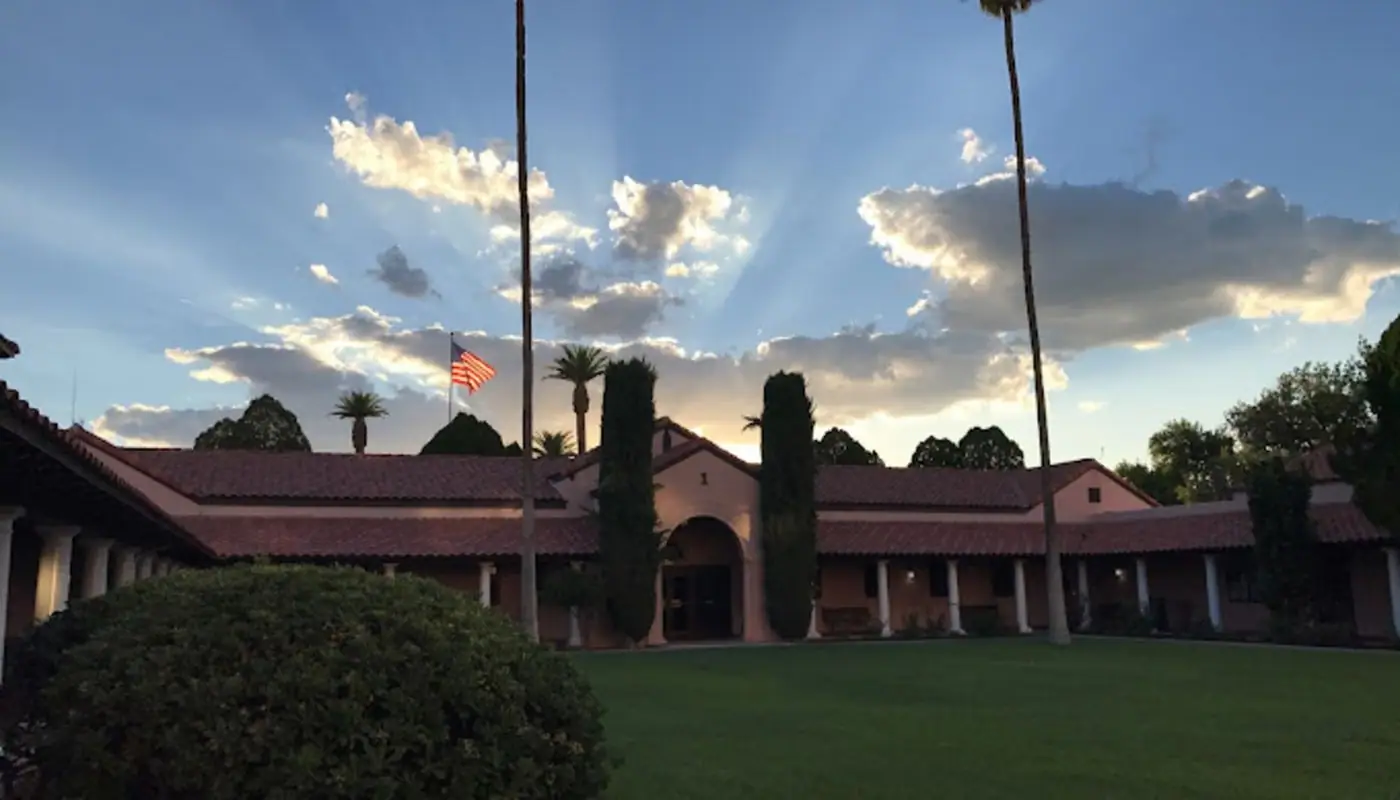
Tucson VA Medical Center
3.6/5414 Google reviews
Tucson VA Medical Center Tucson serves veterans through residential and outpatient care.
Tucson, AZ
30 days
- Joint Commission
- Outpatient
- Residential Rehab
-
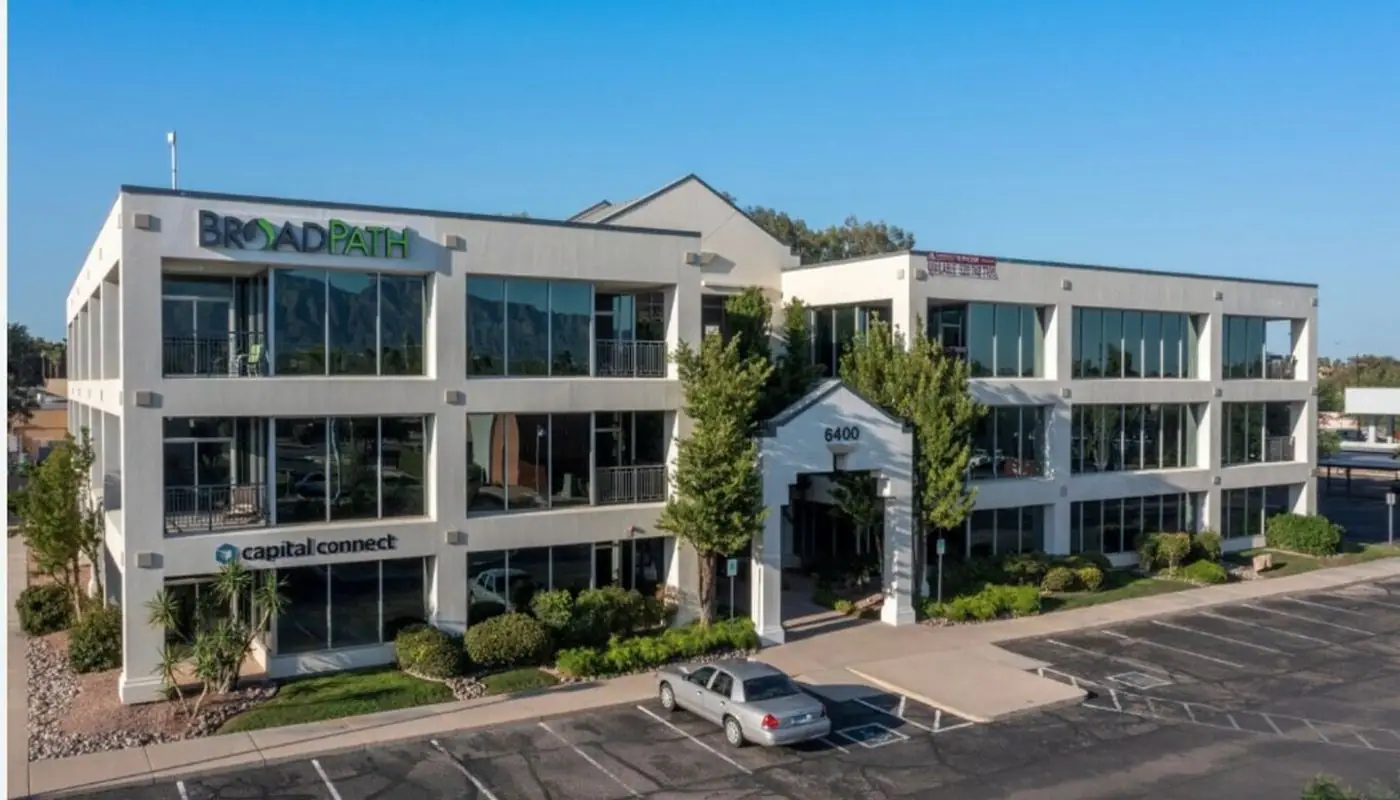
Recovia Grant Road
4.4/533 Google reviews
Recovia Grant Road Tucson provides outpatient care for substance use and chronic pain.
Tucson, AZ
5 days
- Joint Commission
- Outpatient
- Detox
-
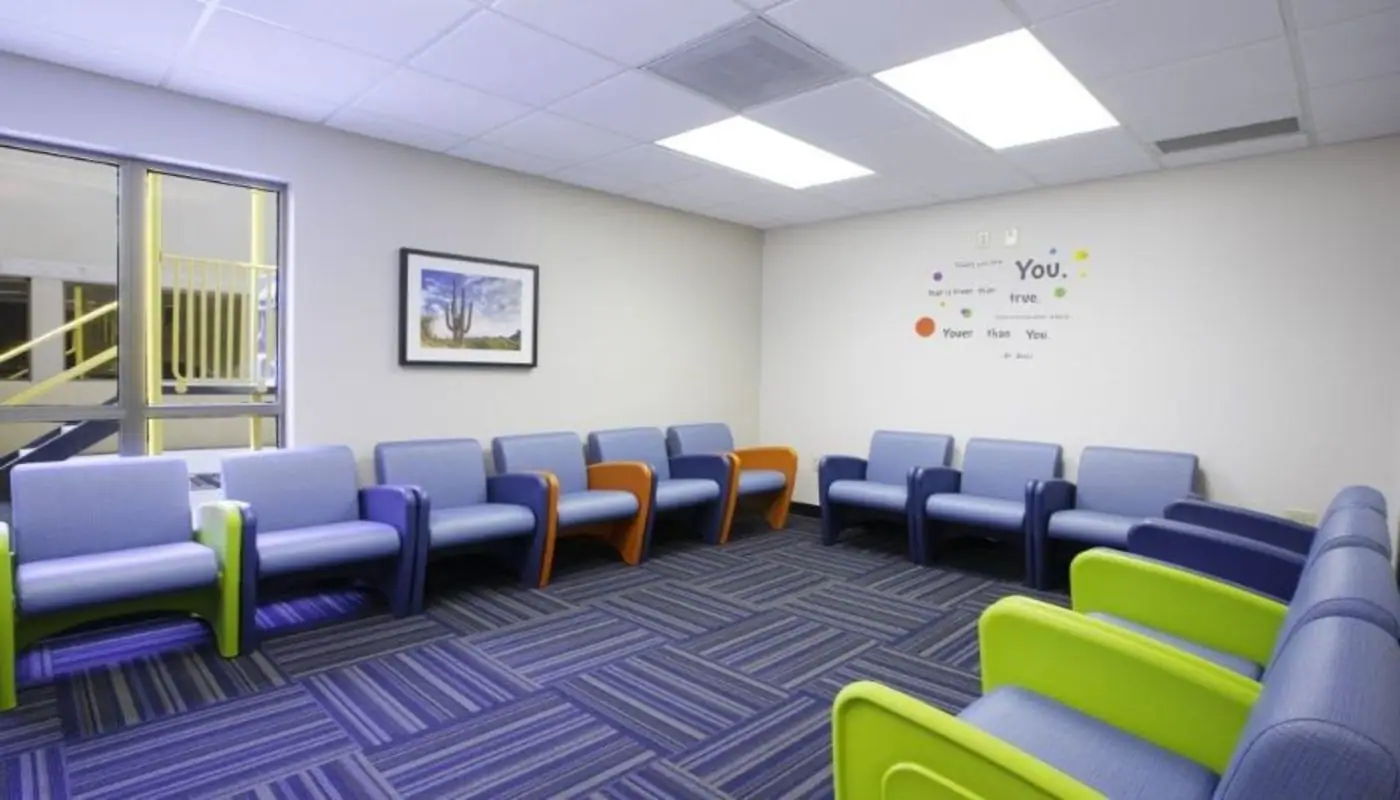
Palo Verde Behavioral Health
3.1/5270 Google reviews
Palo Verde Behavioral Health Tucson is a mental health and detox center on Craycroft Road.
Tucson, AZ
14 days
- Joint Commission
- Detox
-
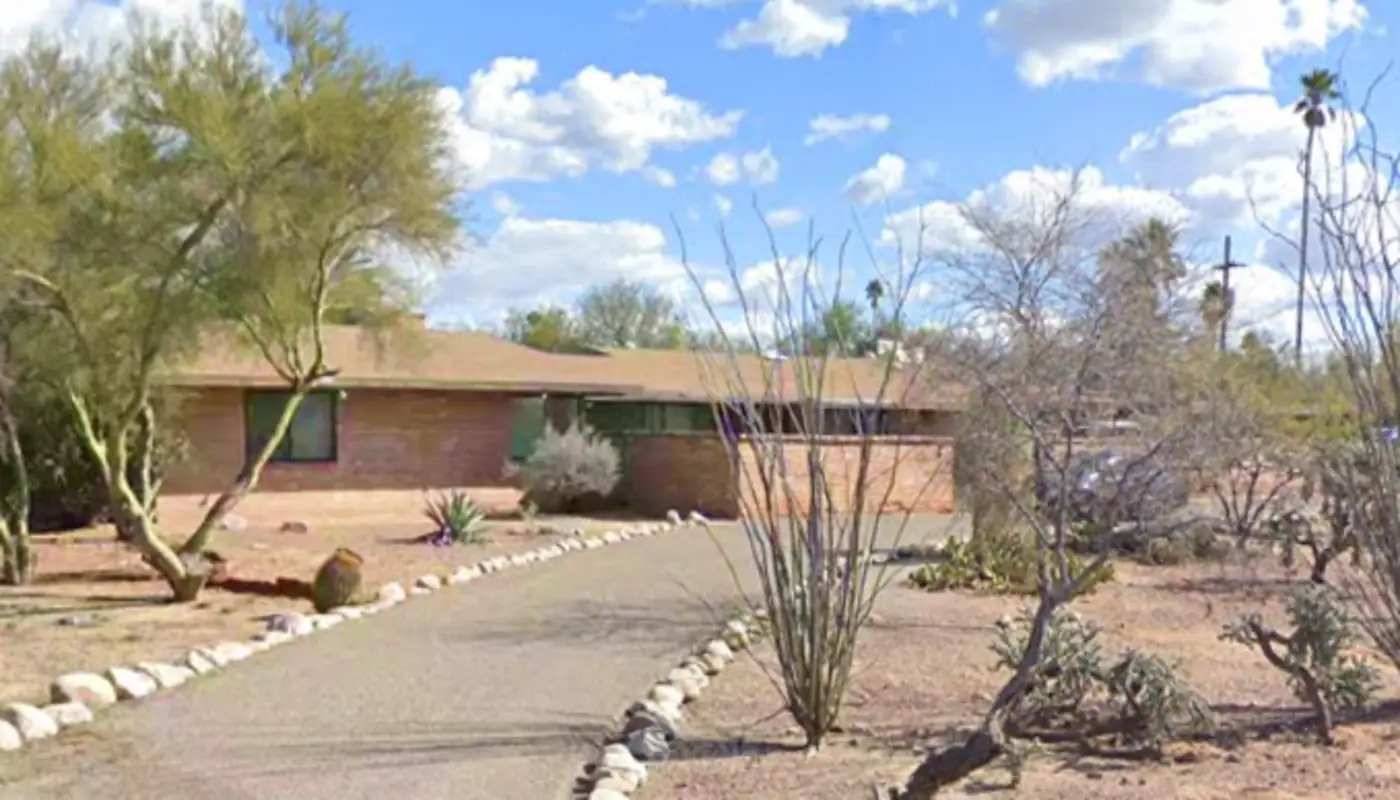
COPE Community Services Gemini
Cope Community Services Gemini Tucson provides residential and outpatient behavioral health care.
Tucson, AZ
30 days
- Outpatient
- Residential Rehab
-
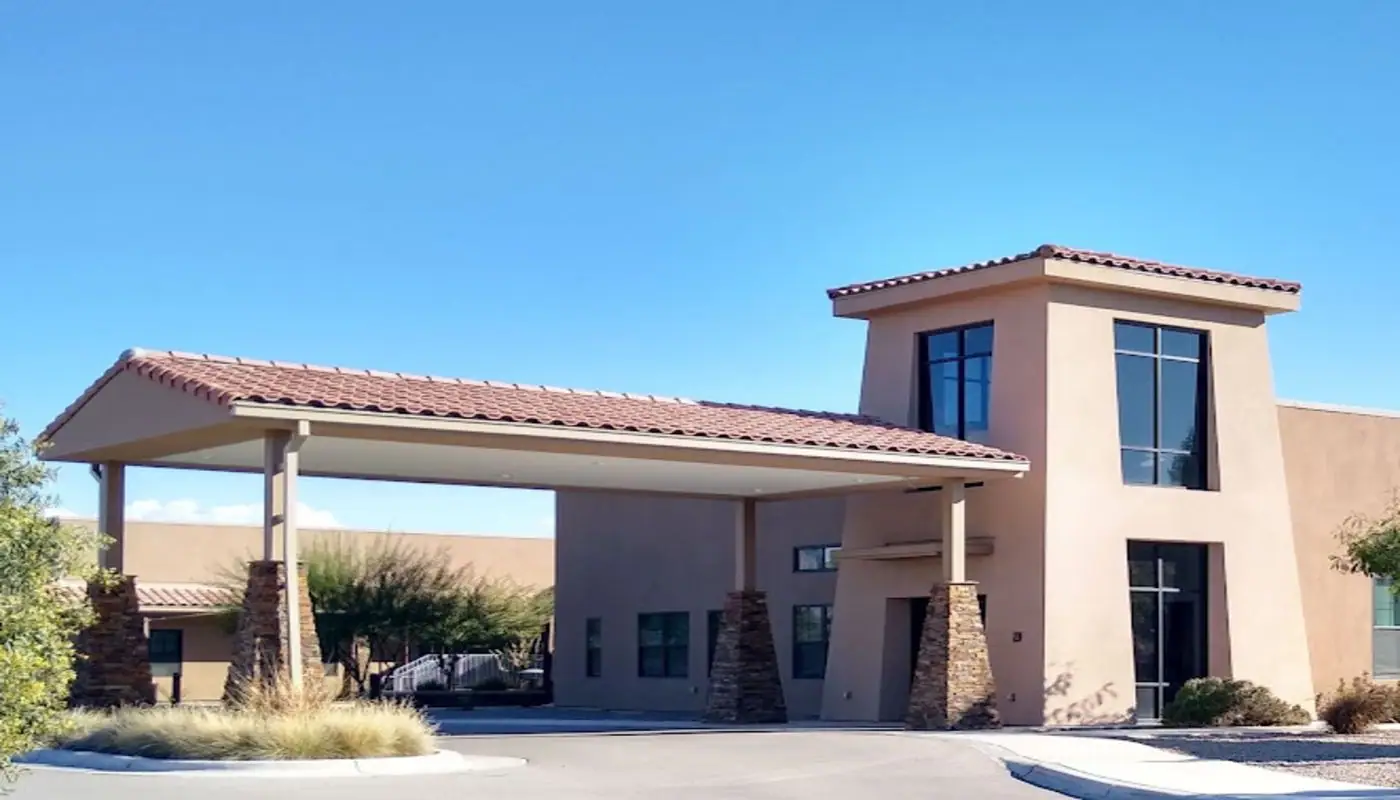
Buena Vista Recovery Tucson
4.0/586 Google reviews
Located on East Pima Road, Buena Vista Recovery Tucson holds Joint Commission accreditation.
Tucson, AZ
30 days
- Joint Commission
- Outpatient
- Detox
- Co-Occurring Mental Health
-
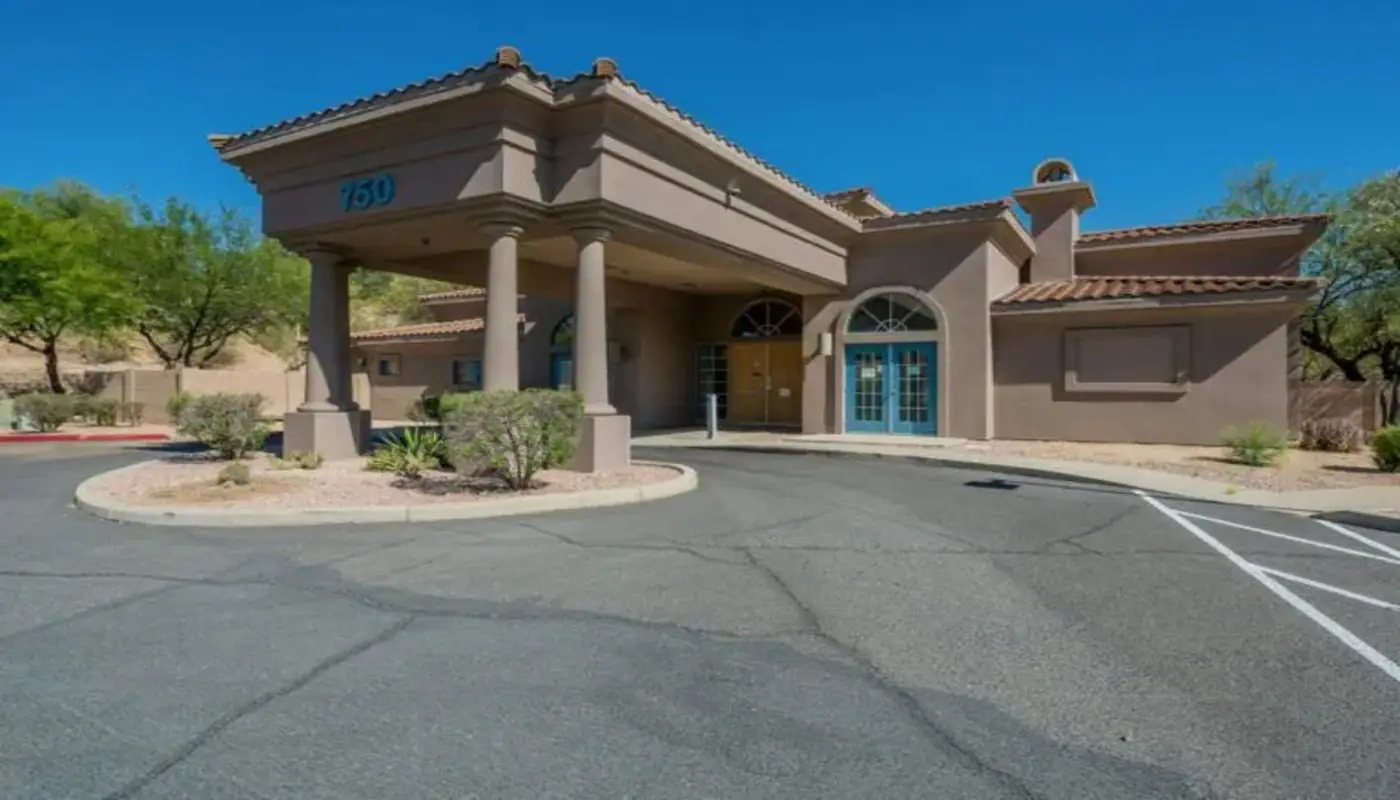
Montare Behavioral Health Tucson
4.5/531 Google reviews
This page explains what Montare Behavioral Health Tucson offers and how to check it.
Tucson, AZ
30+ days16-30 beds
- Joint Commission
- Co-Occurring Mental Health
- Residential Rehab
-

CODAC Health
4.4/5272 Google reviews
CODAC Health Tucson provides coordinated care for substance use and mental health.
Tucson, AZ
30+ days
- Residential Rehab
-

Attune Health and Wellness
Attune Health and Wellness Tucson is an outpatient practice on North Campbell Avenue.
Tucson, AZ
30+ days
- Joint Commission
- Outpatient
-
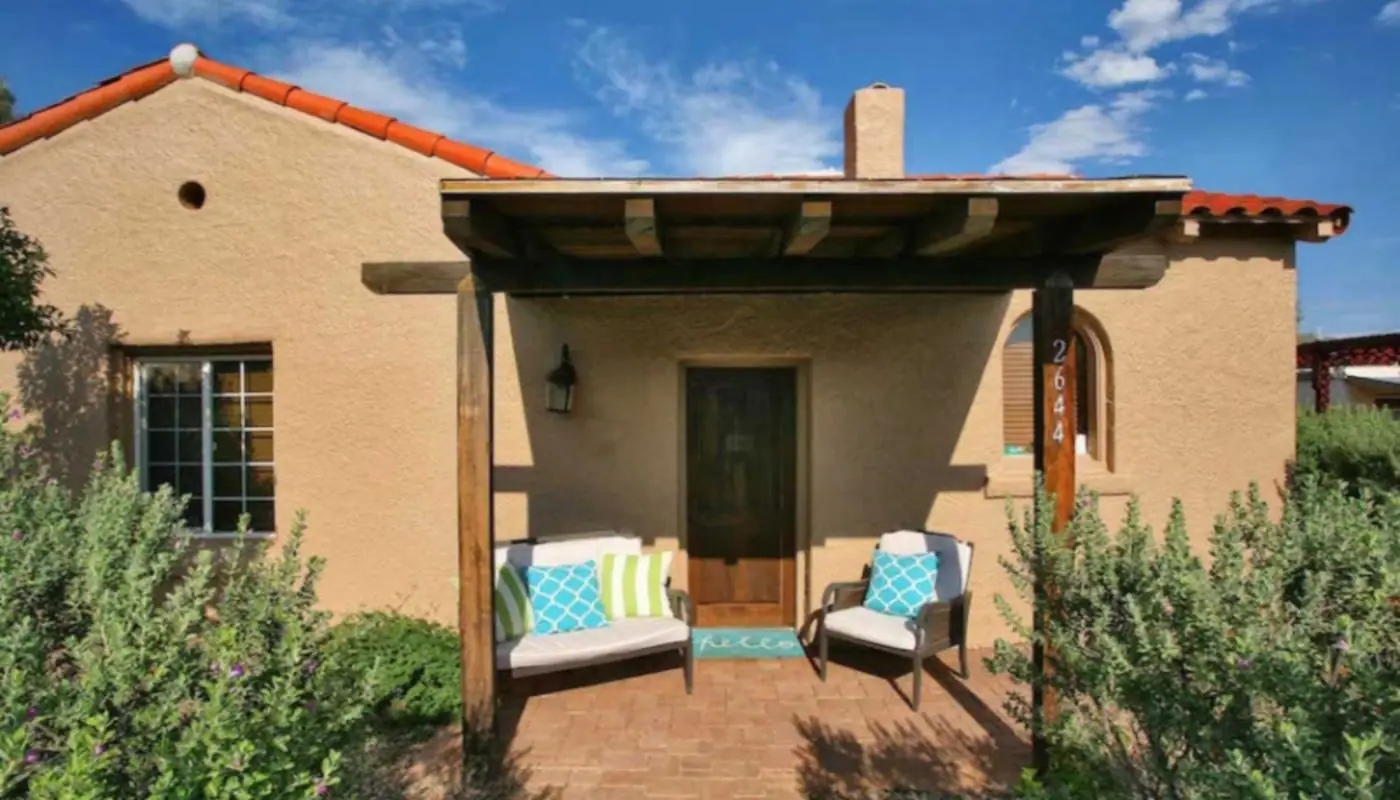
Inbalance Transitional Living
5.0/53 Google reviews
Inbalance Transitional Living Tucson offers structured sober living for young men after formal treatment.
Tucson, AZ
30 days16-30 beds
- Joint Commission
- Co-Occurring Mental Health
Good to know
Does AHCCCS cover inpatient rehab for substance abuse in Tucson?
AHCCCS is the state Medicaid program, and it may cover inpatient substance use treatment, though the details depend on the plan and the person's eligibility. In Tucson, 64 facilities are listed as accepting Medicaid. The program confirms coverage before admission. Ask what authorization they need and whether your specific plan is in network. The helpline can assist you in preparing those questions.
How many drug rehab centers are in Tucson?
SAMHSA FindTreatment.gov listings show 69 facilities in Tucson. Inside that total are 12 detox programs, 13 residential programs, and 60 outpatient programs. Since many facilities provide more than one level of care, the numbers overlap. A listing is a starting point, not a promise that a bed is open. Call to confirm what is available now and what intake requires.
How do inpatient and outpatient rehab differ in Tucson?
Inpatient or residential rehab provides 24-hour support and stays overnight, while outpatient programs schedule visits around home and work. Tucson lists 13 residential programs and 60 outpatient programs at various intensities. The right level depends on withdrawal risk, health, and home environment. A clinical assessment usually determines the recommendation, and insurance may cover either level.
How long are inpatient programs in Tucson?
Inpatient program length varies by clinical need and program design, and no single number applies. Tucson lists 13 residential facilities, and each sets its own schedule. Some programs last a few weeks, while others run longer. Ask about expected length during intake. Insurance may limit covered days, so confirm benefits before you commit.
Why do people usually enter rehab?
People seek treatment for many reasons, including health concerns, family strain, or difficulty cutting back without support. In Tucson, 42 programs list dual diagnosis services, meaning they address mental health and substance use together. Others focus on alcohol, opioids, or stimulants. The right reason is your own. A confidential call can help clarify which level of care matches your situation.